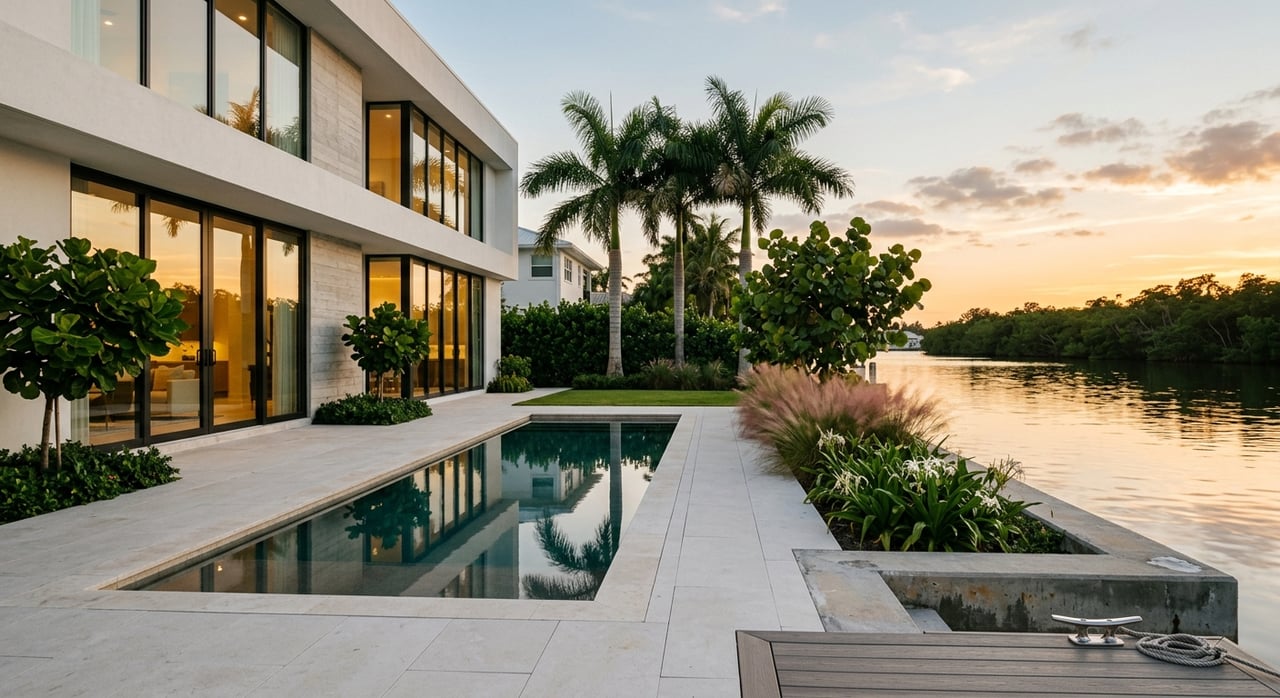
If you are preparing to sell a Cape Coral riverfront estate, buyers will notice more than your square footage and finishes. They are sizing up the full waterfront experience, from the view and dock setup to shoreline condition and flood-readiness. In a market where buyers often have options, thoughtful preparation can reduce friction and strengthen first impressions. Let’s dive in.
Why riverfront prep matters more
Cape Coral’s waterfront identity shapes buyer expectations in a very real way. The city notes that it has more than 400 miles of canals, many with access to the Caloosahatchee River and the Gulf, and that this system supports recreation, flood protection, property values, irrigation, and wildlife.
For your estate, that means the water is not just a backdrop. Buyers are evaluating how the property looks, functions, and feels on the shoreline. A beautiful interior helps, but a riverfront buyer is also asking whether the outdoor living and boating experience feels polished and easy to enjoy.
Broad citywide market snapshots also point to a practical reality. With thousands of listings in Cape Coral and median days on market often stretching into the two-to-three-month range, presentation and documentation matter. On a premium riverfront property, that extra preparation can help your home stand apart.
Start with flood information
Before photos, staging, or showings, confirm the property’s flood details. The City of Cape Coral provides a Flood Risk Check that shows the flood zone, Base Flood Elevation, Design Flood Elevation, and related floodplain information.
The city also allows owners to search for existing elevation certificates and flood documents. That is especially important because updated FEMA flood maps for Lee County became effective on November 17, 2022, and the city notes that many Cape Coral residents live in a Special Flood Hazard Area.
This step matters because buyers will ask about it early. They want clear answers on flood zone, elevation certificate availability, and whether flood insurance is required or available. Having those documents ready helps you answer with confidence instead of scrambling after the first showing.
Pull seawall and dock records
A riverfront estate should be marketed with its waterfront infrastructure clearly documented. In Cape Coral, seawall work can require a city marine-improvement permit, site plans, structural plans, and in some non-freshwater cases, DEP approval.
Permit files may also include items such as a Notice of Commencement, turbidity screen, final seawall engineer letter, and debris removal signoff. If your property has a concrete dock, it may be included in the seawall permit.
Dock and boatlift work can carry their own paper trail as well. The city’s residential wood-dock guidance states that while simple re-decking without replacing the frame or stringers does not require a permit, additions, repairs, and replacements generally do require a marine-improvement application and supporting documents.
For buyers at this price point, missing records can create unnecessary hesitation. If your seawall, dock, or lift has been updated, repaired, or replaced, gather every available permit, survey, and final signoff before the property goes live.
Build a strong seller packet
One of the smartest ways to prepare your home is to create a seller packet that answers common questions upfront. This gives buyers and their representatives a clearer picture of how the property has been maintained.
A strong packet may include:
- Flood-risk printout
- Elevation certificate, if available
- Seawall permits and engineer letters
- Dock and boatlift permits
- Current survey, if available
- Final inspection or as-built documentation, if available
You should also be ready to explain the shoreline condition in simple, factual terms. For example, whether the edge is seawalled, riprapped, or otherwise stabilized can shape buyer understanding of maintenance, appearance, and future planning.
Improve the shoreline presentation
On a Cape Coral riverfront property, shoreline presentation carries real weight. The city’s waterfront guidance encourages owners to keep grass clippings and horticultural debris out of the water, maintain a 10- to 15-foot no-spray zone near waterbodies, and use fertilizer and pesticides sparingly.
That guidance supports a listing strategy centered on clean, intentional waterfront maintenance. Buyers tend to respond well when the shoreline looks neat, stable, and cared for without appearing overworked.
Native, low-maintenance plantings can also help reduce runoff and support a tidy waterfront appearance. If your landscaping feels overgrown, patchy, or visually heavy near the water, addressing that before listing can improve both photography and in-person showings.
Avoid code-conscious mistakes
When getting the property ready, it is important not to overcorrect. The city’s Waterfront Living Guide notes that mangrove trimming is regulated, removal is not allowed without a permit, and professional trimming is recommended.
That means your shoreline should look clean and well-kept, but never altered in a way that could raise questions. A discerning buyer will appreciate a waterfront edge that feels responsible and well managed.
This same mindset applies to the dock, seawall cap, and outdoor hardscape. You want the exterior to signal stewardship, not deferred maintenance and not rushed cosmetic work.
Stage the dock for lifestyle
A riverfront buyer is often buying access and ease as much as architecture. Cape Coral’s boating resources make clear that boating is a major part of local life, so your dock should feel ready for that use.
Think of the dock as a staging area, not just an attachment to the home. Lines should be coiled, surfaces should be swept, ladders should be secured, fenders should be organized, and lift hardware should look orderly.
Even small details matter in photos. A tidy dock area helps buyers picture smooth day-to-day use, whether they are boarding for a short cruise or spending the afternoon on the water.
Show the view at the right time
Light matters on the river. Cape Coral’s public riverfront spaces, including Jaycee Park, highlight sunset views, which tells you something important about how buyers experience this setting.
For that reason, your listing prep should include a plan for view presentation. Clean the glass, open the sightlines, simplify the lanai, and schedule photography when late-day light brings warmth and depth to the water.
During showings, the same principle applies. If the property shines at golden hour, make that part of the strategy whenever possible.
Keep exterior maintenance subtle
The best-prepared riverfront estates usually feel maintained, not overstyled. The city’s waterfront guidance encourages boat-motor maintenance to prevent fuel leakage, avoiding bilge discharge into canals, and managing irrigation carefully to reduce runoff.
Translated into listing prep, that means buyers should not see oil stains, algae buildup on the seawall cap, clutter near the lift, or signs of overwatering. Healthy turf, clean pavers, and an orderly dock area go much farther than decorative extras.
This approach works particularly well for discerning buyers because it communicates quiet competence. The property feels easy to own, which is exactly what many out-of-area and second-home buyers want.
Prepare for buyer questions
When your home hits the market, serious buyers will move quickly into practical questions. Having direct, documented answers can make the process feel smoother and more professional.
Expect questions in these areas:
Flood and insurance details
Buyers may ask about the flood zone, elevation certificate, and whether flood insurance is required or available. The city notes that flood insurance is available for all properties in Cape Coral, including X-zones, and that lower-risk zones may carry lower premiums.
Seawall and dock history
Buyers often want to know if the seawall is new, replaced, engineered, or simply maintained. They may also ask whether the dock and lift were permitted and whether final surveys or engineer letters are available.
Boating functionality
Waterfront buyers often ask how the property works in daily use. They may want to know how the dock is laid out, whether the lift is operational, and whether the area supports easy boarding and staging.
Shoreline and environmental upkeep
Some buyers will ask about septic or sewer status, shoreline rules, and local wildlife considerations. Cape Coral’s Waterfront Living Guide notes the city’s water-quality focus, maintenance needs for septic systems, manatee slow zones in the Caloosahatchee, and the presence of alligators in canals.
What the listing should communicate
At its best, your listing presentation should communicate four things at once: the property is attractive, documented, easy to own, and easy to enjoy. That message builds trust before a buyer even steps through the front door.
For a Cape Coral riverfront estate, that usually means the paperwork is organized, the shoreline is clean and code-conscious, the dock feels turnkey, and the water views are showcased with intention. It is a simple idea, but it can create a much stronger buyer experience.
If you want a measured, high-touch strategy for preparing and presenting a premium waterfront property, Charles Ruck can help you build a customized plan and guide the process from consultation to closing.
FAQs
What flood documents should you gather before listing a Cape Coral riverfront estate?
- You should start with the City of Cape Coral flood-risk printout and any available elevation certificate, along with other floodplain documents you can locate through the city.
What seawall records matter when selling a Cape Coral riverfront home?
- Buyers may want to review marine-improvement permits, site or structural plans, engineer letters, final signoffs, and related seawall documentation if that work has been completed on the property.
What dock paperwork should you have ready for a Cape Coral waterfront listing?
- If the dock or lift has been added, repaired, or replaced, it helps to have the permit records, dock layout, survey, and any final inspection documentation available.
How should you stage a Cape Coral riverfront dock for buyers?
- Keep the area clean, organized, and easy to understand with swept surfaces, secured ladders, neatly managed lines, and minimal visible clutter around the lift and boarding area.
Why do sunset views matter when marketing a Cape Coral riverfront estate?
- Riverfront buyers often respond strongly to water, light, and sightlines, so late-day photography and clean, open view corridors can strengthen the home’s presentation.
What shoreline maintenance helps a Cape Coral waterfront home show well?
- A tidy, stable shoreline with controlled landscaping, clean edges, and no visible debris or runoff issues generally supports a stronger first impression for buyers.