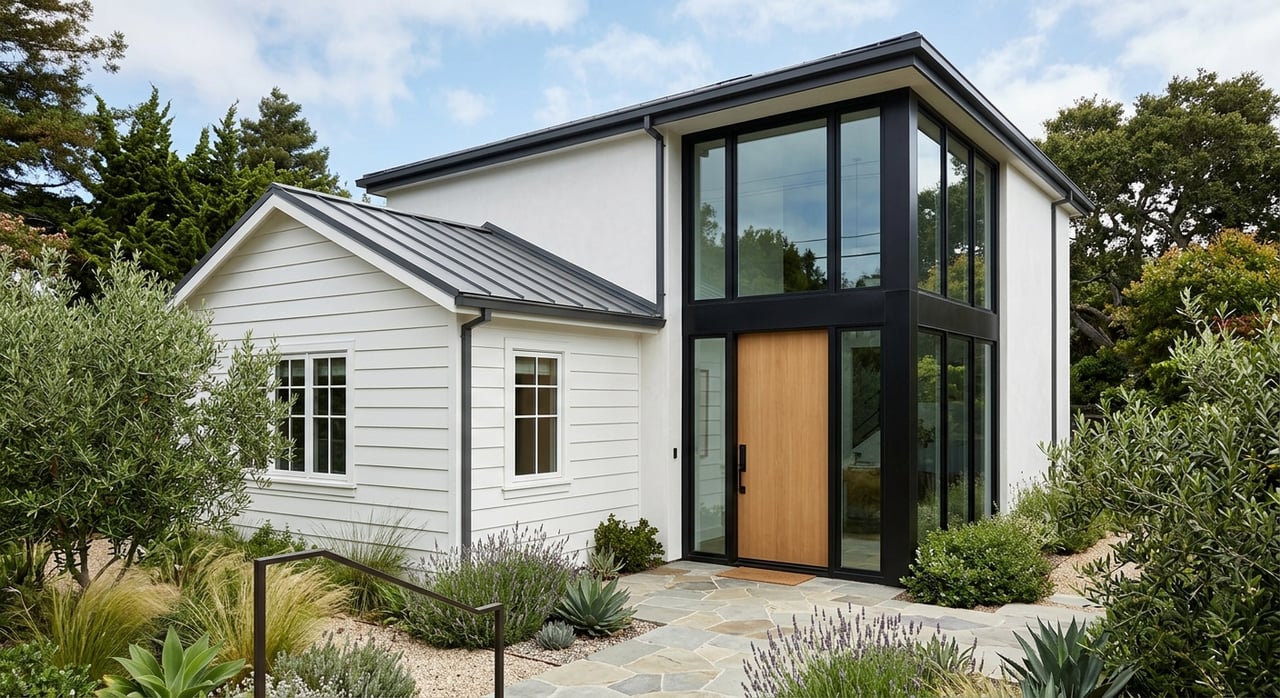
Wondering whether an older cottage-style home or a newer coastal build is the better fit in Old Naples? It is a smart question, because in this neighborhood, your decision shapes not just your house, but your daily routine, maintenance load, and long-term flexibility. If you are weighing charm against convenience, this guide will help you compare what each option really offers in Old Naples so you can move forward with more clarity. Let’s dive in.
Why Old Naples Feels Different
Old Naples is the City of Naples’ original neighborhood, with many of the city’s earliest homes and a setting that extends from Third Street South north toward the Naples Beach Hotel and Golf Club area, and west from U.S. 41 to the beach. That history gives the neighborhood a distinctive mix of architecture, mature landscaping, and established streets.
The feel of Old Naples is also tied to its public realm. The city highlights sidewalk and crossing improvements in the area, including work around Gulf Shore Boulevard, 3rd Street South, and 5th Avenue South, which supports the neighborhood’s walkable character. Recurring activity on 5th Avenue South and Third Street South adds to that street life, so the location experience is about more than the home itself.
Naples also reports more than 20,000 trees and palms on public property and nearly 30% canopy citywide. In practical terms, that helps explain why Old Naples often feels shaded, landscaped, and comfortable for walking. Whether you choose an older home or a newer one, that outdoor setting is a major part of the appeal.
Old Naples Charm: What You Get
If you are drawn to classic Old Naples charm, you are usually responding to a more intimate scale and a stronger sense of history. Older homes in the neighborhood can include original Florida houses, cottage-style residences, and properties that have been updated over time while still keeping a traditional street presence.
A current example at 132 10th Ave S shows what that profile can look like. The home dates to 1926 and includes 3,891 square feet on a 7,405-square-foot lot, with wood-frame construction, a metal roof, a detached 1-car garage, and outdoor spaces such as a courtyard, open porch or lanai, balcony, pool, and spa. Even there, public listing data shows 17 permits since 2021, which is a reminder that older homes often continue to evolve.
Another listing at 725 2nd St S shows a different version of the same appeal. It is marketed as a completely remodeled luxury cottage from 1950 with 3 bedrooms, 3 baths, and 1,840 square feet. That means “classic” in Old Naples does not always mean untouched or outdated. It can also mean character on the outside with a more modern interior.
New Coastal Build: What You Get
If you prefer a newer coastal build, your priorities may be different. Many newer homes in Old Naples are designed around open-concept living, larger entertaining spaces, newer systems, and a more turnkey ownership experience.
A current example at 405 7th Ave N shows that contrast clearly. Built in 2021, the home offers 4,092 square feet on a 0.29-acre lot, concrete-block construction, a metal roof, 22-foot ceilings, expansive glass walls, a covered lanai, outdoor fireplace, full summer kitchen, pool and spa, and a 4-bay garage. That layout reflects the way many buyers want to live today, especially for long seasonal stays or hosting guests.
In Old Naples, newer construction is often less about replacing character and more about delivering a different kind of function. You may gain open sightlines, more storage, larger garage capacity, and more seamless indoor-outdoor living. For many buyers, those benefits are what tip the scale.
Floor Plan Matters More Than Style
One of the biggest differences between old and new is how the house lives day to day. Older cottage-era homes often feel more segmented, with rooms that are smaller, more defined, and more private. Newer homes tend to be more open and oriented around gathering spaces.
That difference affects how you host, work, and relax. If you like cozy porches, courtyards, and distinct living spaces, an older home may feel more comfortable. If you want broad entertaining areas, large kitchen-to-living connections, and stronger pool views, a newer coastal build may fit better.
Garages are another practical dividing line. The 1926 home at 132 10th Ave S has a detached 1-car garage, while the 2021 home at 405 7th Ave N has a 4-bay garage. If you need space for vehicles, bikes, beach gear, or golf cart parking, that difference can matter just as much as architecture.
Outdoor Living Looks Different Too
Both home styles can deliver strong outdoor living in Old Naples, but they do it in different ways. Older homes often lean into porches, courtyards, fenced yards, balconies, and more compact pool areas. These spaces can feel private, layered, and connected to the street in a traditional way.
Newer homes usually package outdoor living more expansively. Covered lanais, summer kitchens, outdoor fireplaces, wider pool decks, and larger indoor-outdoor openings are common features in newer coastal designs. If your lifestyle centers on entertaining outside, these layouts may feel easier and more complete from day one.
Coastal conditions matter either way. UF/IFAS notes that coastal Florida landscapes require added planning for wind, salt, and sandy high-pH soils, which is why salt-tolerant plant choices and wind protection matter. In other words, both older and newer homes need an active plan for landscaping, irrigation, and tree care.
Historic Status Can Change the Equation
A common mistake is assuming every older home in Old Naples falls under the same historic rules. That is not the case. The city makes an important distinction between being located in Old Naples and being part of the mapped historic district or being a listed historic resource.
That distinction matters if you plan to renovate. According to the City of Naples, work on listed historic buildings and contributing resources in the city’s historic district, including exterior work, interior work, additions, and demolition, must be reviewed and approved by the Florida State Historic Preservation Office before city permit submittal, with limited exceptions. So if you love the idea of restoring a classic property, you should also be ready for a more procedural path.
For some buyers, that process is worth it. For others, it becomes the reason to buy a remodeled cottage instead of a true historic resource, or to choose a newer home altogether. The right answer depends on how much renovation complexity you are comfortable managing.
Flood Zone Still Matters for New and Old
It is easy to assume that a newer home solves all coastal risk questions. In Old Naples, that is not necessarily true. The City of Naples says its 2024 flood maps are in effect for construction and insurance purposes, and Zone AE and Zone VE are special flood hazard areas with mandatory flood-insurance purchase requirements and floodplain-management standards.
That means a newer build still needs to be evaluated in the context of its flood zone. “New” does not automatically mean “flood-free.” The site, elevation, and applicable standards still matter.
Historic properties have their own flood-related rules as well. The city says historic buildings in flood hazard areas are not subject to substantial improvement or substantial damage requirements if certain conditions are met, but the owner must provide at least one flood-mitigation measure, such as elevated equipment, flood-resistant materials, positive drainage, roof hardening, or opening protection. That is one more reason why lot conditions and property status should be part of your decision from the start.
Sometimes the Lot Is the Real Prize
In some cases, your choice is not really between old and new. It is between buying a finished home and buying a site with future potential. In Old Naples, that can be especially important when a property offers a favorable building envelope, rear alley access, or a flood-zone profile that changes the economics of a rebuild.
A current listing at 239 1st Ave S highlights that idea by emphasizing rear alley access, a generous building envelope with more favorable setbacks, and an X500 flood zone where flood insurance is not currently required. For the right buyer, a property like that may make a custom build more attractive than adapting an older home. When the lot is exceptional, the land itself can become the main value driver.
This is where a careful planning approach matters. In single-family zoning districts, the city notes these properties are not subject to the Design Review Board, so the major decision points are often flood zone, historic status, setback envelope, and the scope of renovation or rebuild. If you are weighing a lot-to-build strategy, those details can shape your timeline and budget in a major way.
How To Decide With Confidence
If you are deciding between Old Naples charm and a new coastal build, start with how you want to live, not just what style you admire online. In this neighborhood, the location benefits often hold steady across both options: beach access, proximity to 5th Avenue South and Third Street South, walkability, shade, and a strong outdoor lifestyle.
From there, focus on the tradeoffs that affect ownership most. Key questions include:
- Do you prefer character details or turnkey systems?
- Do you want a porch-and-courtyard lifestyle or a larger lanai-and-pool layout?
- How important are garage space and storage?
- Are you comfortable with renovation or historic-review procedures?
- Is flood zone or rebuild potential part of your long-term plan?
For many buyers, the best answer is not “old is better” or “new is better.” It is choosing the property that best matches your maintenance tolerance, entertaining style, and long-term goals. In Old Naples, that clarity is what helps you protect both lifestyle and value.
If you want a steady, consultative process as you compare resale, remodeled cottages, and lot-to-build opportunities in Old Naples, Charles Ruck can help you build a customized plan and move forward with confidence.
FAQs
What is the difference between Old Naples and the historic district in Naples?
- Old Naples is the broader neighborhood, while the city’s historic district is a narrower mapped area tied to National Register historic resources and related ordinance rules.
Are all older Old Naples homes subject to historic renovation rules?
- No. The City of Naples historic building ordinance applies to listed historic buildings and contributing resources in the city’s historic district, not every older home in Old Naples.
Is a new coastal build in Old Naples always easier to own?
- Not always. A newer home may offer a more turnkey systems profile, but you still need to evaluate flood zone, outdoor maintenance, garage needs, and the overall lot conditions.
Do older homes in Old Naples usually have smaller garages?
- Current listings suggest that can be the case. For example, one 1926 home has a detached 1-car garage, while a 2021 home in the neighborhood offers a 4-bay garage.
Does flood zone matter for both old and new homes in Old Naples?
- Yes. The City of Naples says Zone AE and Zone VE are special flood hazard areas with construction and insurance implications, so both older and newer homes should be reviewed carefully in that context.
What should you compare first when choosing between an older home and a new build in Old Naples?
- Start with how you want to live in the home day to day, then compare floor plan, outdoor living setup, garage space, maintenance demands, historic status, and rebuild or renovation flexibility.