What if your next chapter came with morning Gulf breezes, an easy walk to dinner, and less to maintain? If you are eyeing Park Shore in Naples as you downsize, you have options that fit many lifestyles, from beachfront high-rises to bayfront mid-rises, villas, and low-maintenance single-family homes. You want clarity on what each delivers, what it costs to own, and how to avoid surprises with inspections, reserves, insurance, and flood zoning. This guide gives you a clear framework to compare choices, spot red flags, and move forward with confidence. Let’s dive in.
Why Park Shore fits downsizers
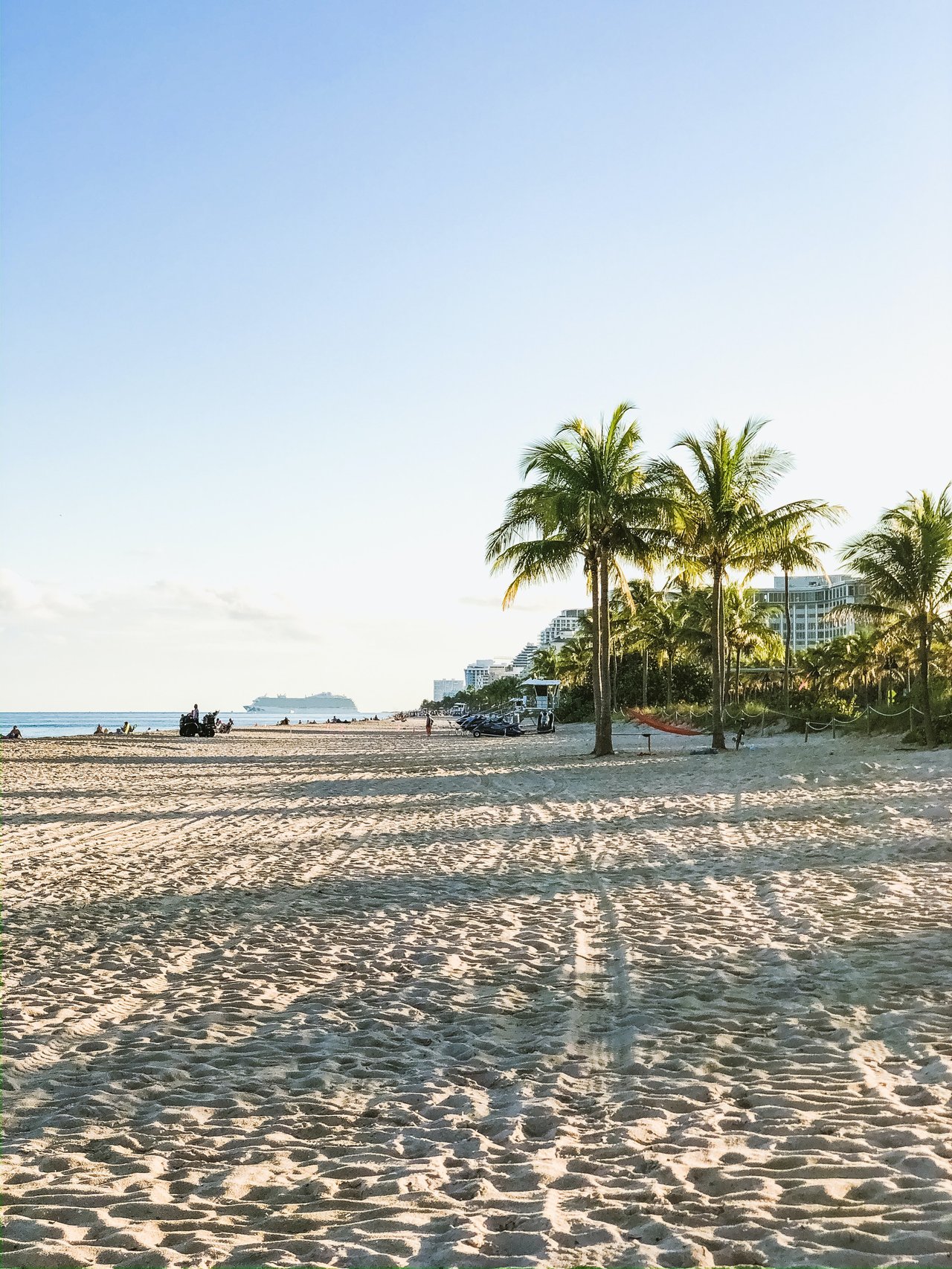
Park Shore is a master-planned, waterfront neighborhood centered on Venetian Bay with a strong retail and dining hub at The Village Shops on Venetian Bay. You get scenic bay views, Gulf Shore Boulevard beachfront, and an everyday rhythm that supports walking to restaurants and errands. For many downsizers, that walkable core and the boating lifestyle are the big draw.
The Park Shore Association notes the area includes more than 600 single-family homes, 25 high-rise condos, and many mid-rise communities in a compact footprint. This mix gives you real choice on scale, services, and maintenance. If you want to learn how the neighborhood is organized by plats and building types, review the association’s overview for helpful context from a local source. Park Shore Association’s neighborhood guide
Start with lifestyle, then match property
Before you compare fees, start with how you want to live. Ask yourself:
- Do you want direct beach access and on-site services, or a quieter bayfront setting with fewer stories?
- Do you prefer one-floor living with minimal stairs, or a villa with a private garage and entry?
- How often will you host guests, and do you need guest suites or extra parking?
- Is boating or a marina slip a must-have, or is walkable dining your top priority?
Once you answer these, map your needs to property types below.
High-rise beachfront condos
High-rises along Gulf Shore Boulevard typically offer a staffed lobby, security, fitness center, community rooms, guest suites, beachfront pools, and direct beach access. Many were built in the 1970s and 1980s and have gone through interior and common-area updates.
- Pros: Best beach access and Gulf views, robust on-site services, low day-to-day maintenance, and guest accommodations.
- Cons: Higher monthly association dues, reliance on elevators and common systems, and potential exposure to building-level capital projects. Older towers may face larger special assessments if major components need replacement.
- Compliance check: Buildings three or more habitable stories must complete state milestone inspections that can trigger repairs and added funding needs. Review the most recent reports and budgets before you buy. Florida milestone inspection law
Mid-rise and low-rise bayfront condos
Mid-rise and low-rise communities around Venetian Bay often deliver wide water views, fewer stories, and lower fee levels than full-service beachfront towers. Some offer boat slips on-site or leasing options at nearby marinas. Many layouts are single-level, which helps with accessibility.
- Pros: Strong bay views, one-floor living, potential for lower dues than high-amenity towers, and proximity to dining and shops.
- Cons: Still subject to association reserves and possible assessments, with parking and guest parking rules that vary by building. Always verify slip availability, waiting lists, and fees if boating matters to you.
Villa-style enclaves
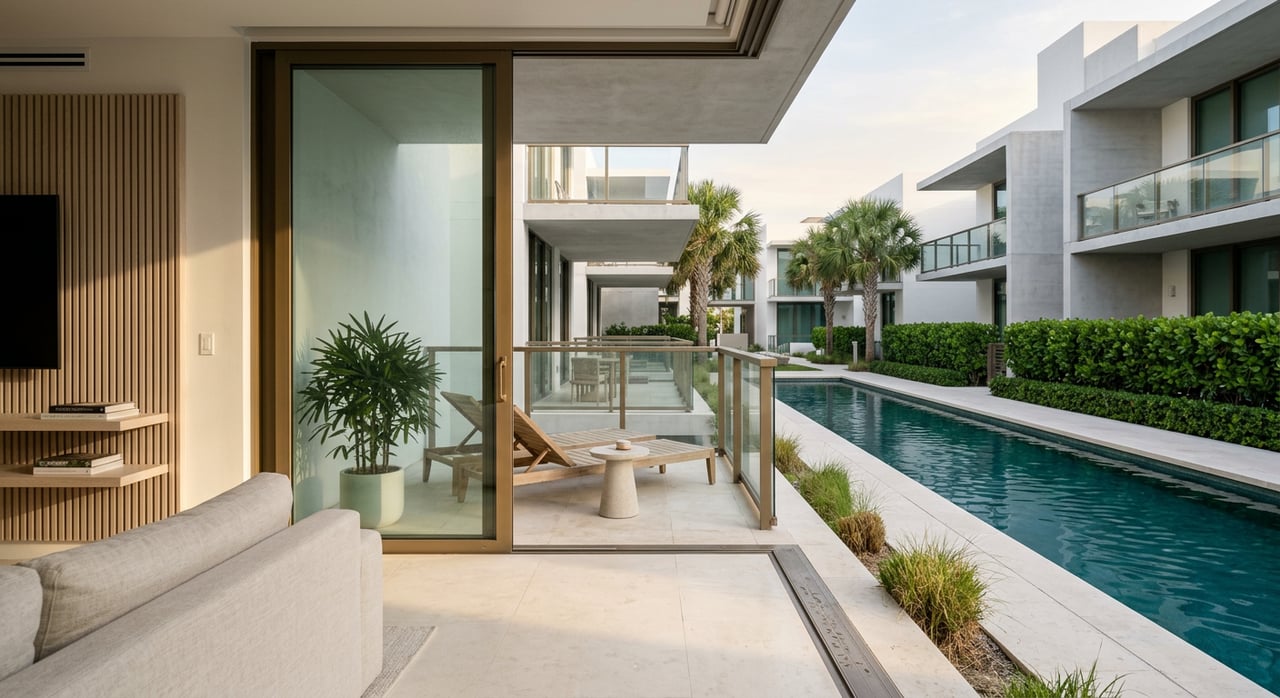
Park Shore’s small, gated villa communities combine a house-like feel with association-managed exteriors. Expect private entries, attached garages, multi-level floor plans, and in some cases private elevators. Many have private or semi-private beach access.
- Pros: Privacy, garage parking, and a home feel without full yard and exterior upkeep.
- Cons: Monthly dues vary by community. Some villa HOAs are similar to mid-rise condos, while others trend higher due to beach access and small-community overhead. Confirm whether the villa is deeded as a condo or fee-simple because that affects insurance and assessments.
Single-family homes inland
Inland Park Shore includes more than 600 single-family homes on standalone lots. You gain maximum privacy and control, but you assume full responsibility for exterior maintenance, roof, landscaping, and storm preparation. Many original homes have been replaced by custom builds, and lot scarcity can increase prices over time.
Budget the whole picture
Create a simple model that compares all recurring and risk items for each property you like. Include:
- Purchase price and financing, plus closing costs.
- Property taxes. Florida homestead buyers should factor in that a new assessment typically resets to near purchase price. If you qualify, you may transfer part of your Save Our Homes cap to a new homestead. Review timing, forms, and caps to avoid surprises. Save Our Homes portability overview
- HOA or condo fees. Note what they include: master insurance, staff, reserves, amenities, cable/internet, and utilities.
- Insurance. Budget an HO-6 policy for interiors, plus flood insurance if the property is in a special flood hazard area. Condo owner insurance basics
- Utilities, parking or storage fees, and planned special assessments.
- Optional services you plan to outsource, such as housekeeping or maintenance packages.
Park Shore prices span a wide range. As a ballpark indicator, Zillow’s Park Shore home value index showed an average value around 1.77 million dollars through January 31, 2026. Use fresh MLS comparables and association documents for precise numbers before you decide.
Safety and due diligence essentials
Structural inspections and reserves
Florida requires milestone inspections for buildings three or more habitable stories. Phase one is a visual check by a licensed engineer or architect. Phase two follows if issues are found. Associations pay for and coordinate this process, and the findings can lead to significant repairs and assessments. Ask whether the building has completed its milestone inspection, then review the report and the plan to address any items. Florida milestone inspection law
Condos three stories or higher must also complete a Structural Integrity Reserve Study that identifies key building components and sets required reserve funding. The SIRS can change an association’s budget and dues. Request the latest SIRS or reserve study, the current budget, reserve balances, and recent board minutes that discuss funding decisions. Condominium reserve study requirements and records
Insurance and deductibles
Association policies typically insure common elements and the building structure, with deductibles that can be material after a storm. You will still need your own HO-6 policy to cover interior finishes, personal property, and liability. Flood insurance is separate from hazard policies and may be required depending on the flood zone. Ask for the association’s insurance certificate, coverage limits, and deductibles, then get quotes for your unit coverage and flood. Association insurance and records access
Flood zones and DFIRM updates
Many Park Shore addresses along Gulf Shore Boulevard and Venetian Bay are within FEMA flood zones. Collier County is also processing a 2026 Physical Map Revision, which can change a specific lot’s designation. Request the property’s FEMA FIRM panel, any elevation certificate, and any Letter of Map Change. Get flood insurance quotes before you go under contract. Collier County floodplain resources
Compare your top three choices
Use a simple, apples-to-apples framework:
- Lifestyle fit. Score each property for what matters most to you, such as beach access, walkability to Venetian Village, boating, and guest accommodations.
- Cost model. Tally HOA or condo fees, taxes, insurance, utilities, and any known assessments. Note what the dues include.
- Diligence risk rating. Review SIRS and milestone reports, reserve balances, recent minutes, and pending projects. Flag any near-term capital items.
- Access and mobility. Identify single-level living, elevator reliability, emergency power for elevators and life-safety systems, and parking proximity.
- Storage and boating. Confirm slip availability, waitlist status, and fees if boating is important. Clarify storage for bikes, beach gear, and seasonal items.
Local examples to shape expectations
- Beachfront high-rises. Expect premium dues tied to staffing, master insurance, and amenities. Large floor plans can translate to several thousand dollars per month in some towers. Verify current budgets, reserves, and any recent or planned assessments.
- Mid-rise bayfront. Representative listings have shown mid-rise dues around the low thousand-dollar-per-month range in select communities, often lower than full-service beachfront towers. Always confirm inclusions and current numbers.
- Villa enclaves. Small, gated villa communities with beach access often show dues in the low-thousands-per-month range, sometimes billed quarterly. These typically cover exterior maintenance, gate, and shared amenities. Verify whether the property is deeded as a condo or fee-simple and how that affects insurance.
All figures are illustrative. Always request the association’s latest operating budget, reserve statements, and minutes before you rely on any number.
Downsizing checklist for Park Shore
Use this list to keep your review tight and complete:
- Association records. Request declaration, bylaws, the current budget, reserve balances, the most recent reserve study or SIRS, meeting minutes for the past 12 to 24 months, insurance certificates, and any special-assessment notices. Florida statutes require associations to make many records available. Required condo records
- Milestone and SIRS status. For buildings three or more stories, obtain inspection reports, remediation plans, and the funding plan for recommended work. Milestone inspection law
- Flood and elevation. Check FEMA FIRM panels and Collier County’s DFIRM updates. Ask for elevation certificates and any Letter of Map Change. Collier County floodplain resources
- Insurance. Get the association’s insurance certificate and deductibles. Obtain HO-6 and flood quotes for your unit and ask how hurricane deductibles are allocated after a loss. Association insurance guidance
- Leasing, pets, and parking. Confirm minimum lease terms, number of leases allowed per year, pet policies, assigned parking, guest parking, and storage specifics.
- Accessibility. Prioritize single-floor plans or reliable elevators with emergency power if mobility is a concern.
- Boating. Verify slip availability, waiting lists, residency requirements, and fees for local marinas.
- Walkability. Map distances to The Village Shops on Venetian Bay and essential services to see how each address fits your daily routine. Venetian Village dining and shops
How Potter Trinity guides your downsizing
When you downsize in a coastal market, the details matter. You deserve senior-level advisors who can read an association budget, interpret a SIRS, and anticipate how building age and coastal exposure affect costs and comfort. With our boutique model, you work directly with experienced partners who bring construction insight from our Potter Homes partnership and market intelligence from our Trinity Commercial Group ties.
Our process is simple and steady:
- Consultation. We listen to your goals and set clear criteria for lifestyle, budget, and risk appetite.
- Customized plan. We curate options, model total cost of ownership, and lead due diligence on inspections, reserves, insurance, and flood status.
- Rest while we work. We manage the steps, coordinate with association managers, and keep you informed so you can make a calm, confident decision.
If a villa or single-family property is the right fit, our builder partnership helps you plan renovations or a future custom build with timelines and permitting insight. If a condo suits you best, we bring careful attention to reserve funding, inspection history, and insurance so you understand your risk before you commit.
Ready to rightsize with confidence in Park Shore? Connect with Potter Trinity to start your consultation.
FAQs
What makes Park Shore good for downsizers?
- You get a walkable hub at Venetian Village, a mix of beachfront and bayfront options, and property types that range from full-service high-rises to low-maintenance villas and single-level mid-rises.
How do Florida condo milestone inspections affect my purchase?
- Buildings three or more stories must complete milestone inspections that can reveal repairs and increase reserve needs, which may lead to assessments. Always request the latest reports and budgets. Florida milestone inspection law
What should I check about flood risk in Park Shore?
- Confirm the FEMA flood zone, ask for any elevation certificate or Letter of Map Change, and get flood insurance quotes before contracting. Collier County’s DFIRM updates can change zone designations. Collier County floodplain resources
Are short-term rentals common in Park Shore condos?
- Many associations limit the number of leases per year and set minimum lease durations. Review the building’s rental policy, house rules, and application process before you buy.
How do HOA fees compare across Park Shore property types?
- Beachfront high-rises often have the highest dues due to staffing and amenities, mid-rises tend to be lower, and villas vary by community. Verify current dues, inclusions, and reserves for each building.
What is Save Our Homes portability for Florida homesteads?
- If you qualify, you may transfer part of your assessment cap to a new Florida homestead, which can reduce future taxes. Review rules, timing, and forms before closing. Save Our Homes portability overview